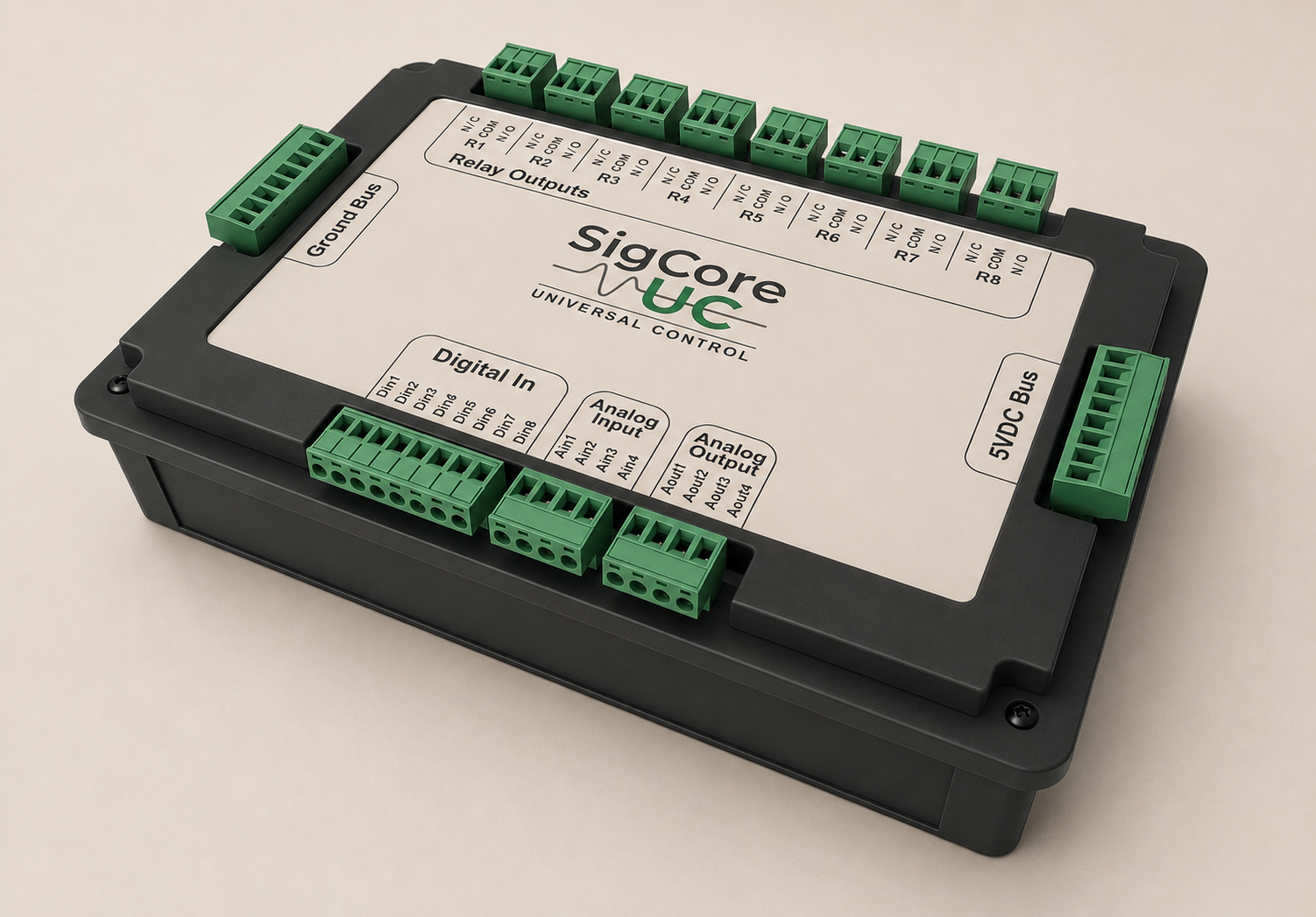
Stop Rebuilding Test Fixtures. Build a Reusable System with Raspberry Pi
Most test fixtures aren’t reusable. They get rebuilt every time. Different wiring. Different scripts. Same problems. It doesn’t have to be that way.
Embedded systems, industrial automation, test systems, control platforms, and real-world engineering practice.
Most test fixtures aren’t reusable. They get rebuilt every time. Different wiring. Different scripts. Same problems. It doesn’t have to be that way.
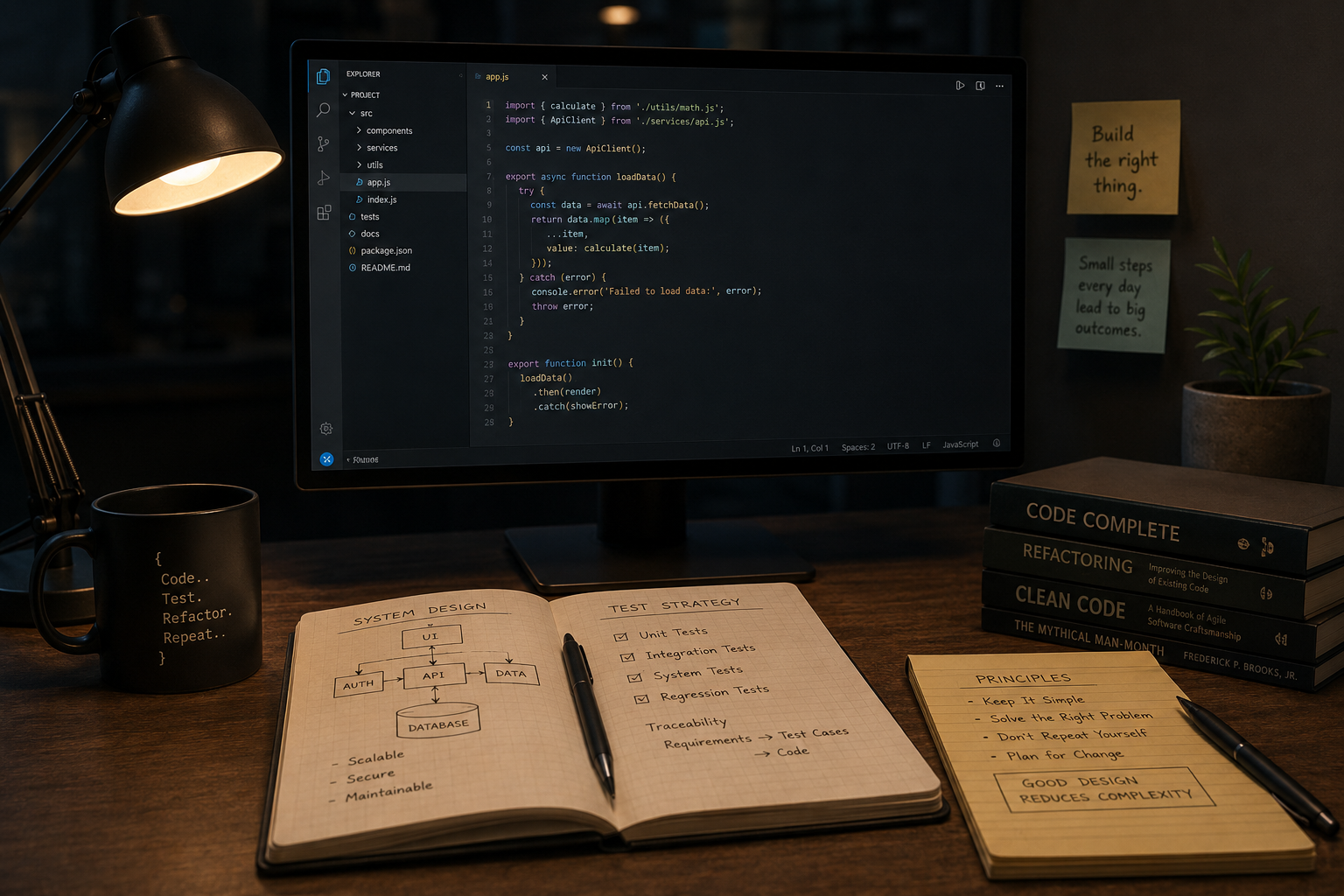
What is Software Engineering and Why Does It Matter? Let’s start by clarifying what software engineering entails. It is a systematic and disciplined approach to designing, developing, and maintaining software systems.
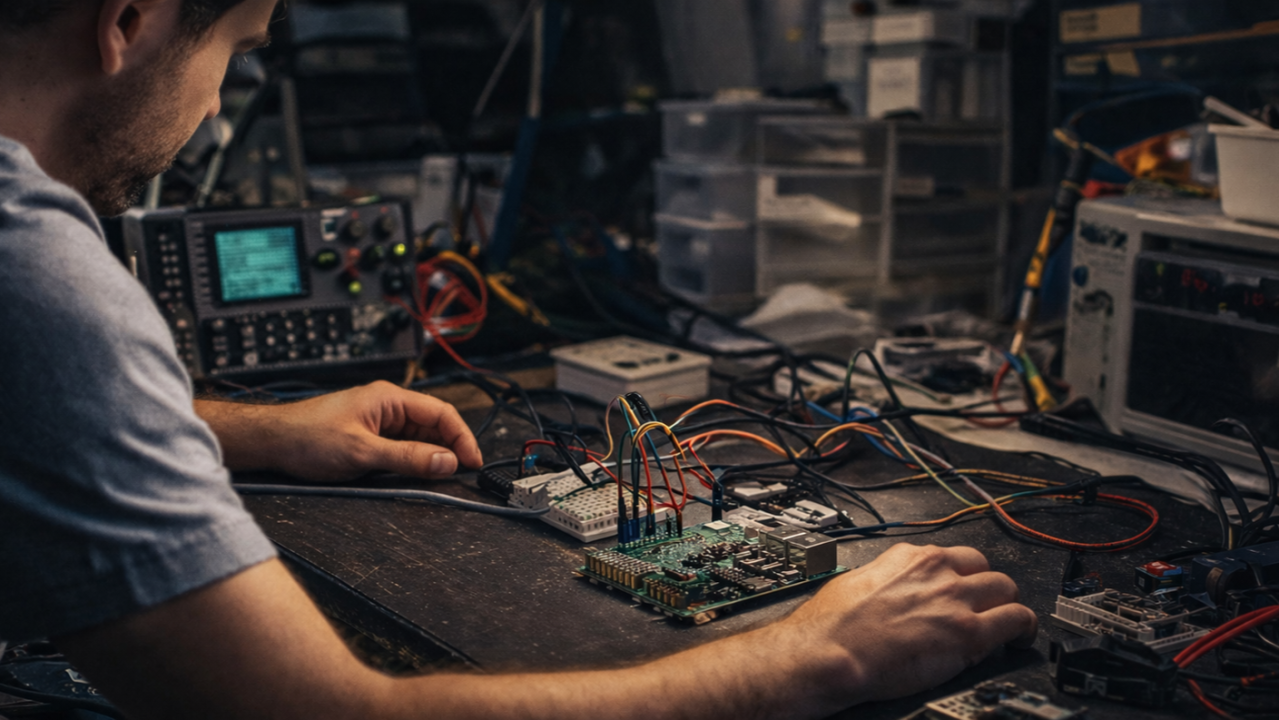
The Raspberry Pi shows up everywhere in control and data acquisition discussions. Sometimes it’s presented as a low-cost alternative to industrial hardware. Other times it’s dismissed outright as something that doesn’t belong anywhere near a real system. Both reactions come from the same place: evaluating it against the wrong expectations.

There’s a lot of noise around “edge computing.” Most of it focuses on deployment stacks. Containers, orchestration, cloud connectivity. That’s useful if your problem is distribution. But at the edge, the problem isn’t distribution.
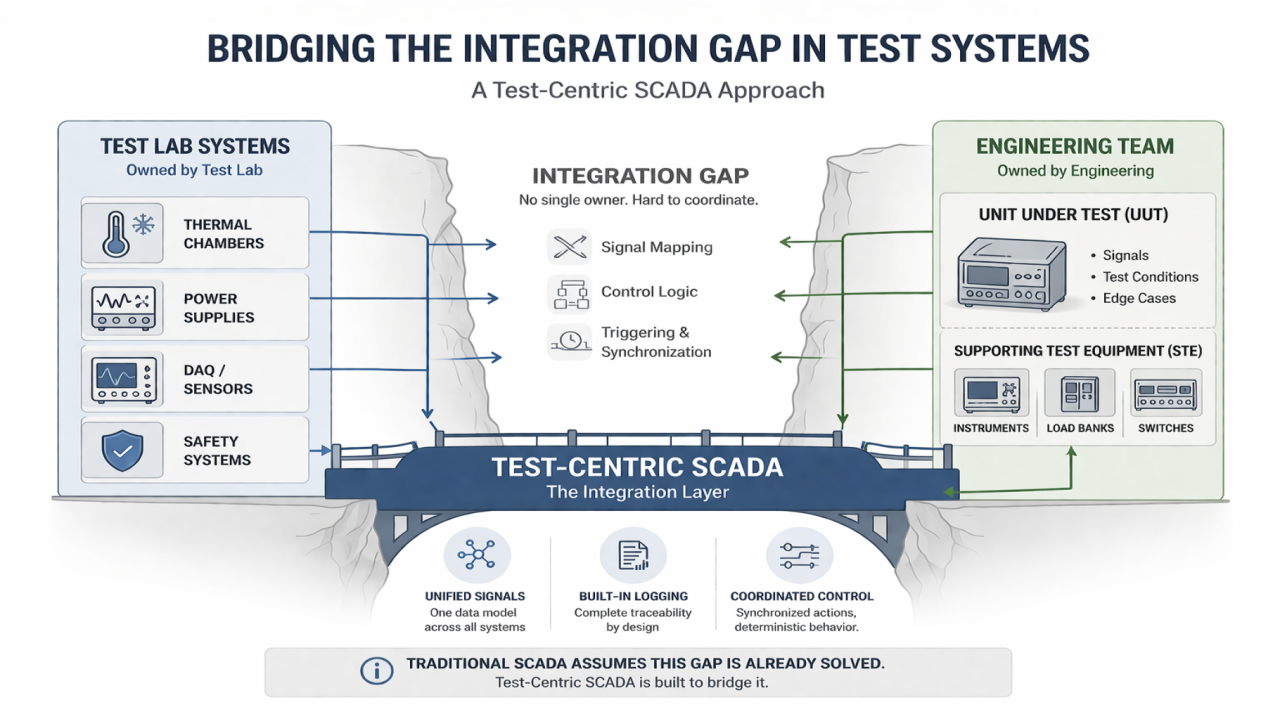
It is often assumed that running the test is the most challenging aspect of testing. In practice, the greater challenge lies in making all system components work together.